


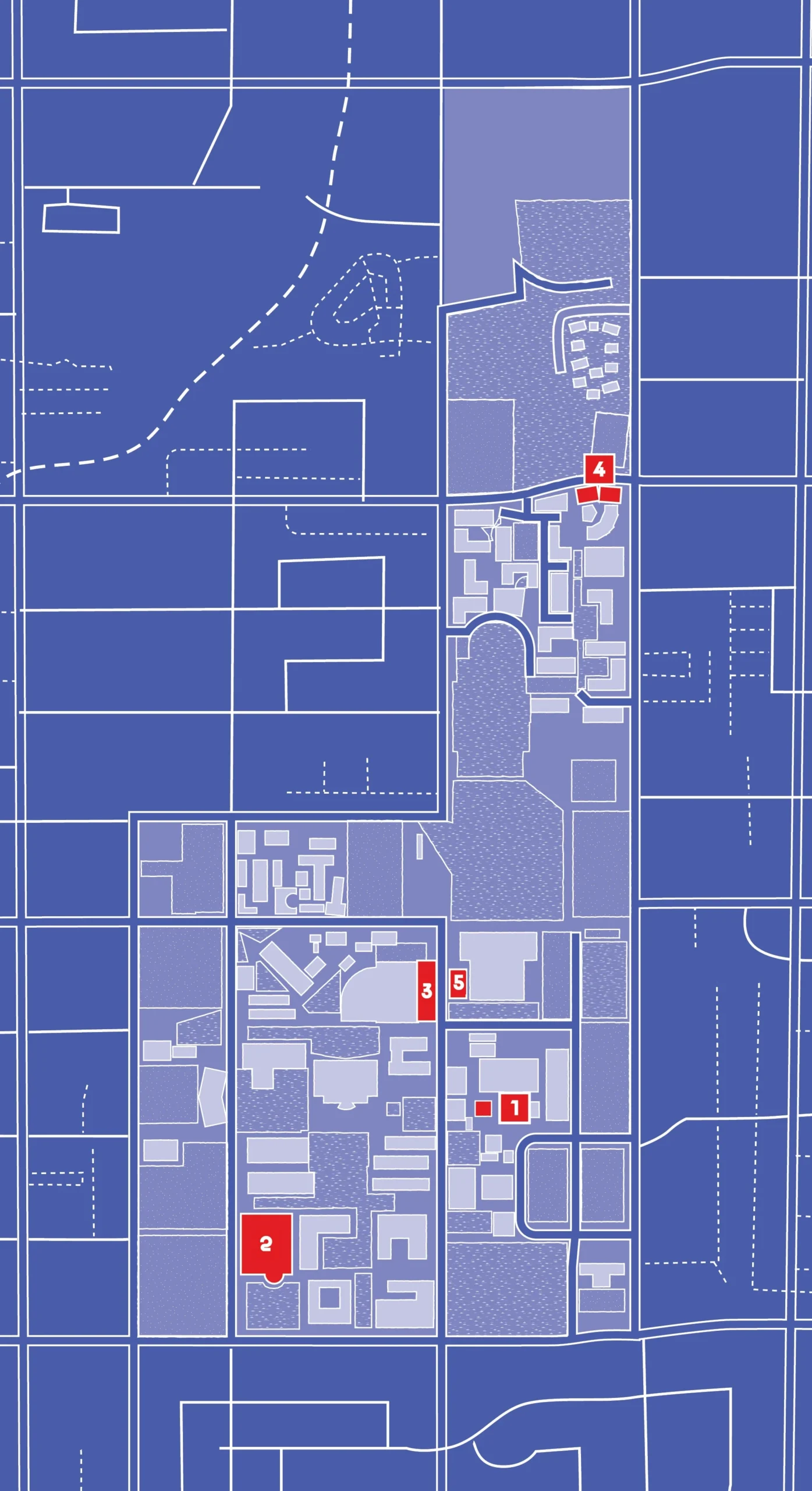


f it’s been a while since you’ve visited Northridge, take note: You may not recognize some sections of the CSUN campus. Since 2024, five new buildings have opened their doors to Matadors and another is under construction, slated to open in late 2027. These represent a total of more than 213,000 square feet of spaces intentionally designed to support CSUN students and programs.
The opening and flourishing of new spaces and the physical transformation of the campus are tangible expressions of the university’s mission: to create spaces where every student can belong, excel and lead. Visionary partnerships, creative funding models and an unwavering commitment to student success brought these projects to life.
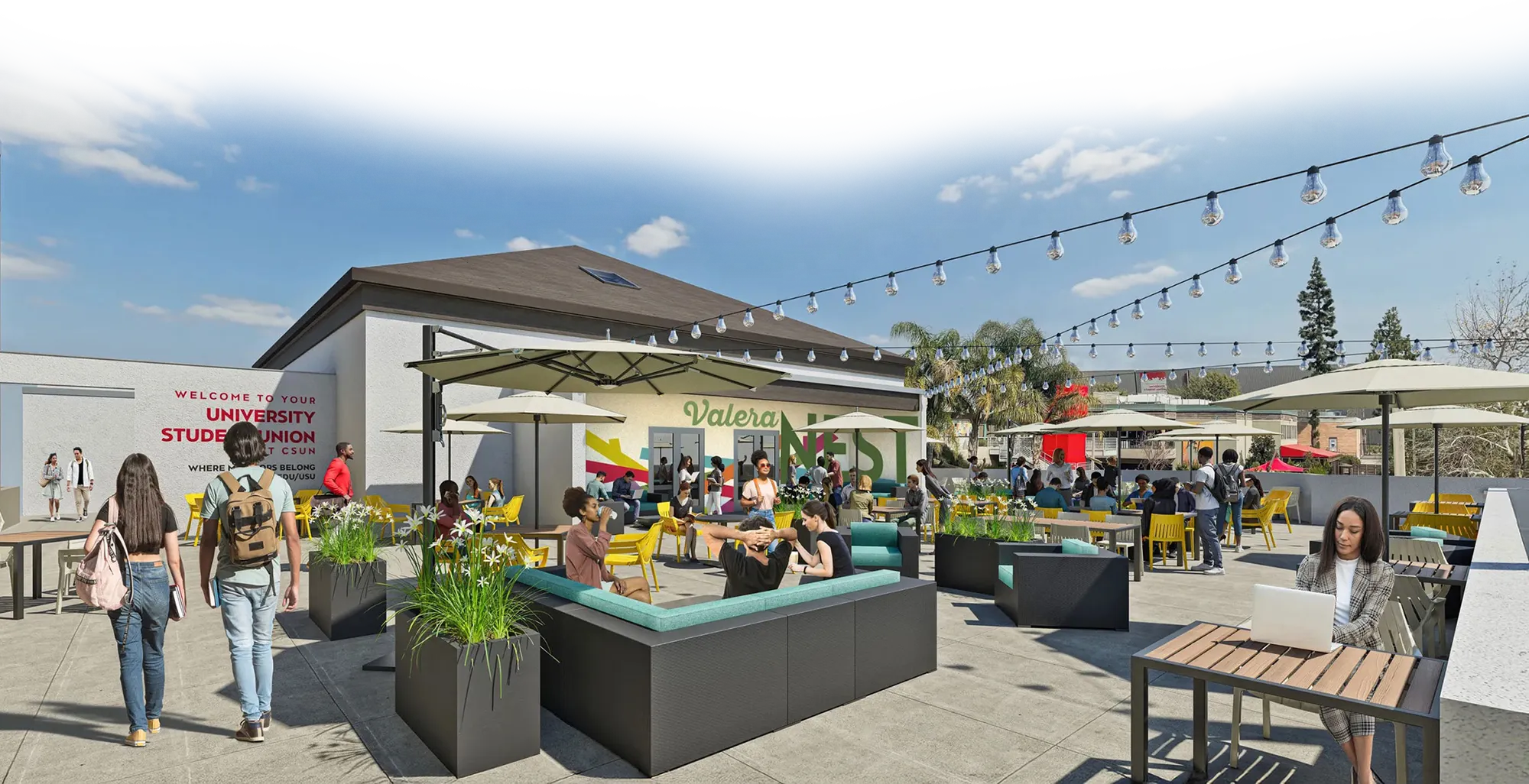
The newest, the Valera NEST, is a centralized and welcoming basic needs suite for students, located in the heart of the University Student Union. Ronni and Shepard Goodman Hall, located south of Sierra Hall, is CSUN’s first new academic classroom building in 15 years. The Autodesk Technology Engagement Center (ATEC), next to Jacaranda Hall, has ushered in a new era for STEAM education and access at CSUN.
At the start of this school year, at the corner of Lassen and Zelzah, two brand-new residence hall buildings, Joshua Tree Hall and Hibiscus Hall, welcomed students to University Park on the north end of campus. And just across Lindley Avenue from ATEC, the Matador Success and Inclusion Center — an integrated center of academics, athletics and identity-based programs — is rising next to Redwood Hall. The project is scheduled for completion during the 2027-28 school year.
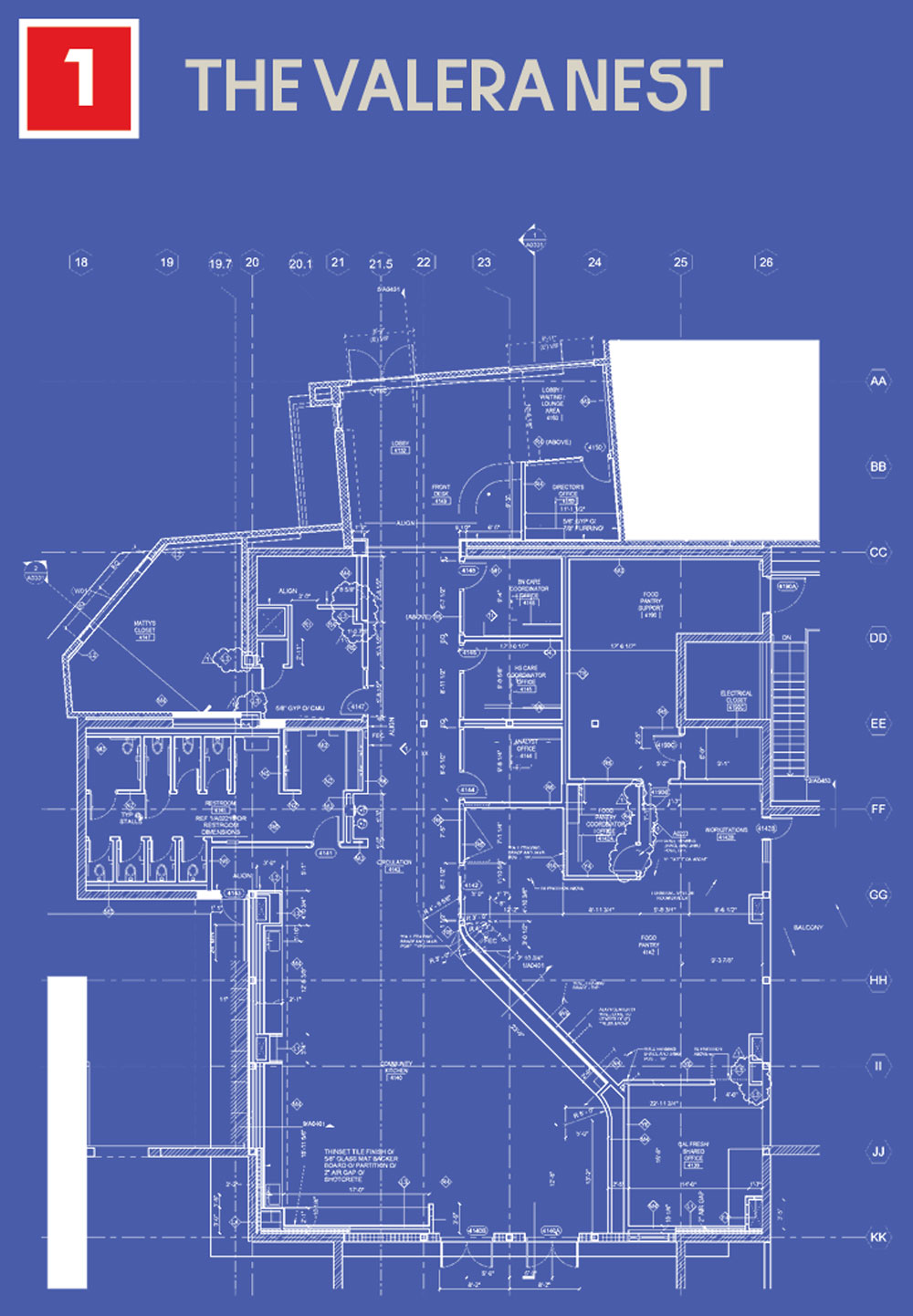
n January, with the start of the spring semester, CSUN students had a brand-new, one-stop location to access food, housing, emergency funds and other basic needs — all the things they need to focus on their goals and flourish. The Valera NEST (Nurturing Environment for Students to Thrive) is the centralized resource for the university’s basic needs programs and services.
The renovated space in the heart of the University Student Union, an area formerly occupied by the Pub Sports Grill, pulled together the CSUN Food Pantry, Cal Fresh Outreach/Healthy Living, Basic Needs Care Coordinators, financial assistance such as the MataCare Fund, and Matty’s Closet, which provides clothes for job interviews, conferences or other professional opportunities. It’s all housed in one attractive and very accessible location — a busy campus crossroads not far from the popular Student Recreation Center.
The renovated space was made possible by donors Debbie and Milt Valera ’68 (Journalism), Hon.D. ’23 and Barbara ’74 (English) and Rick Levy ’74 (Political Science), as well as Assemblymember Pilar Schiavo (D-Chatsworth), who helped secure $6 million in the California state budget for the project.
The University Student Union also contributed reserve funds to help realize the project. The NEST was the vision of USU Executive Director Debra L. Hammond, who retired in late 2024 after more than 30 years at CSUN.
Alumnus Milt Valera called the NEST a place for all things nourishing and nurturing. “What our students need is a helping hand, not a handout — and that helping hand is right here,” he said at the space’s grand opening and ribbon cutting. “This groundbreaking NEST is a testimony to our university of doers.”
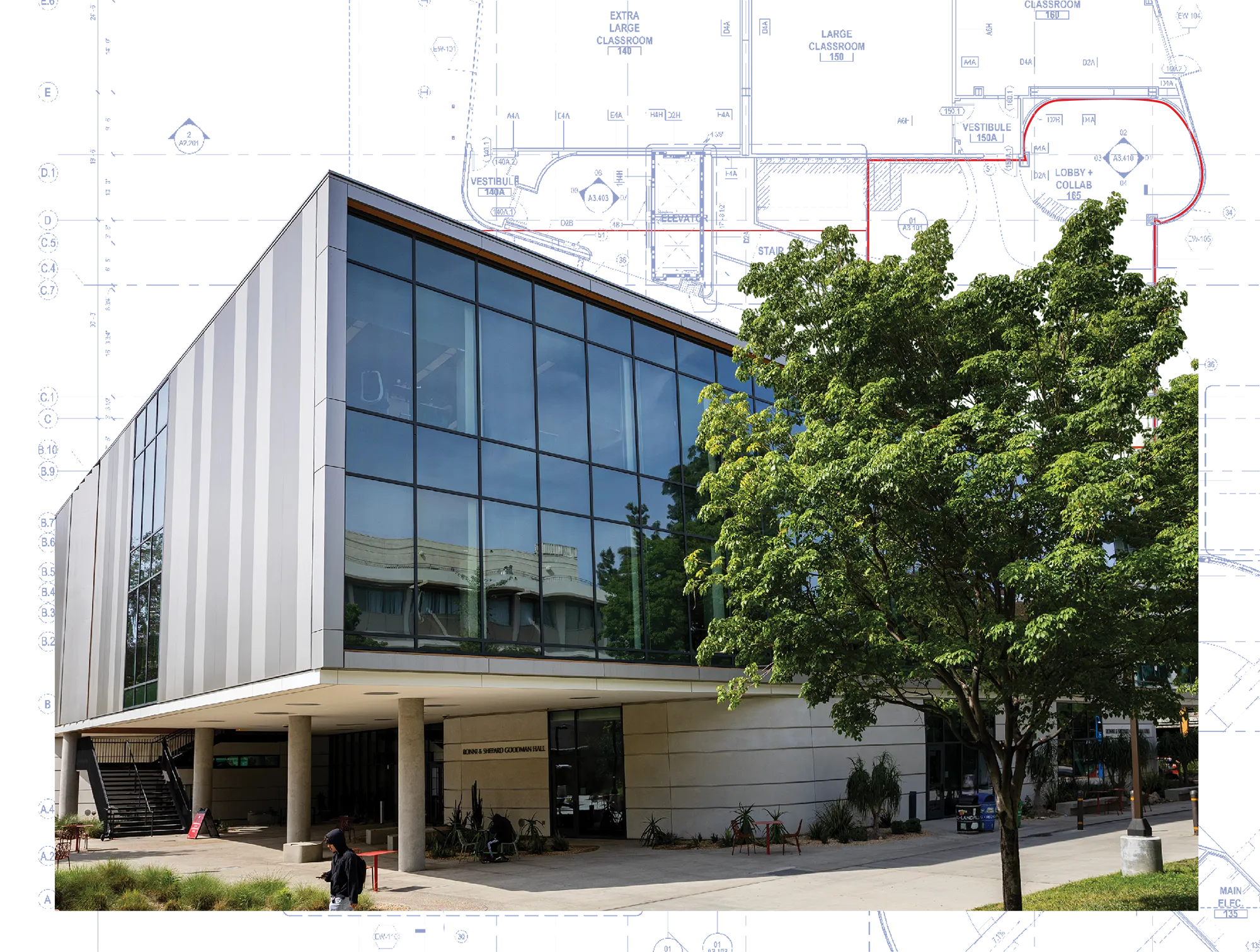
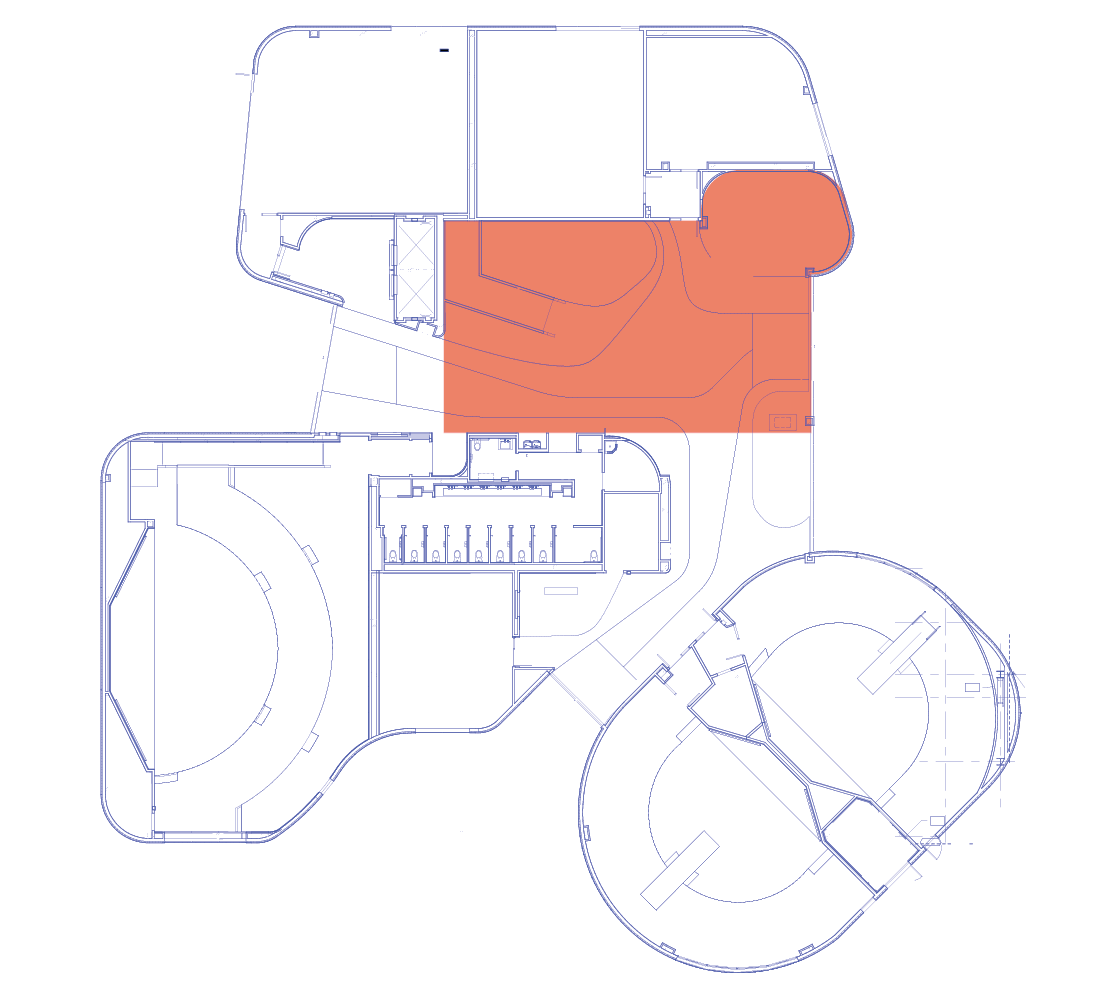
The 62,474-square-foot Ronni and Shepard Goodman Hall opened its doors to classes and campus life after Spring Break in 2024. The sparkling new building is located south of Sierra Hall, adjacent to Manzanita Hall and West University Drive. It’s the campus’ first new academic classroom building since Chaparral Hall, home to the Department of Biology, which opened in 2009.
The new building added much-needed classrooms and lecture halls — including a 2,980-square-foot lecture hall, two smaller lecture halls and two seminar rooms — with flexible seating, the latest audiovisual (AV) equipment and energy-efficient design to the west side of campus, one of the university’s busiest areas. The $49.9-million project was financed by CSU state funds.
The modern building features cutting-edge lecture halls and classrooms. It boasts some of the most (if not the most) air-conditioned student hangout spaces on campus, plus plenty of comfortable furniture, group study rooms and collaborative spaces — and a huge, multi-stall gender-inclusive restroom. There’s even a lactation room upstairs.
Its best feature, hands down, is Goodman Hall’s expansive three-story atrium and common space filled with natural light. “We paid particular attention to building in student collaboration spaces into the lobby, the corridors, the waiting areas — with built-in seating, so students aren’t sitting on the floor,” said Ken Rosenthal, associate vice president of facilities development and operations. “The building and classrooms were designed to be inspirational and a memorable component of the student experience. They’re daylit, they’re flexible, they have the latest AV.”
The building’s name honors a loving partnership that began more than six decades ago on the campus of what was then San Fernando Valley State College (now CSUN). Ronni ’66 (History) and Shepard Goodman ’64 (Business Administration) met as students in the 1960s, and in the years since, they committed to supporting CSUN and empowering first-generation students to reach their highest aspirations. Now, that commitment will live on for generations through a $10 million gift to CSUN’s College of Social and Behavioral Sciences, the largest gift in the college’s history.
To honor the memory of Ronni Goodman, who passed away in June 2025 — and to celebrate the impact of the couple’s philanthropy — CSUN renamed what was originally dubbed Maple Hall to Ronni and Shepard Goodman Hall late last year.
“Ronni and Shepard’s legacy embodies the transformative power of higher education,” said CSUN President Erika D. Beck. “Their extraordinary generosity reflects their deep belief that success carries with it a responsibility to empower others to reach their own highest aspirations. This gift will open doors for generations of students, creating pathways to opportunity that strengthen entire families and communities.”
Goodman Hall’s opening also clears the way for the renovation of its older counterpart, Sierra Hall — as classes shifted to the new building — but approval and funding for Sierra’s renovation is still pending, Rosenthal said.
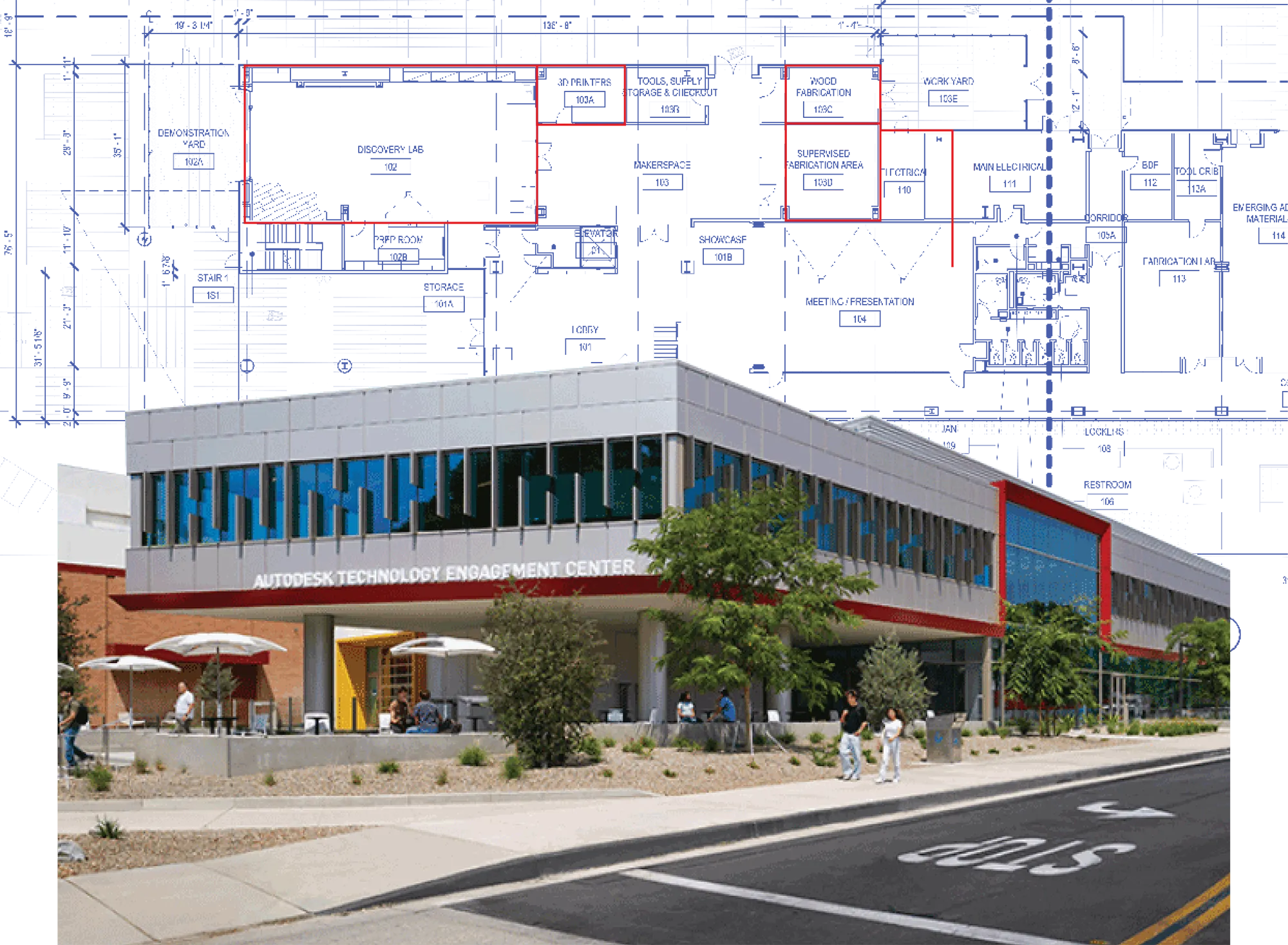
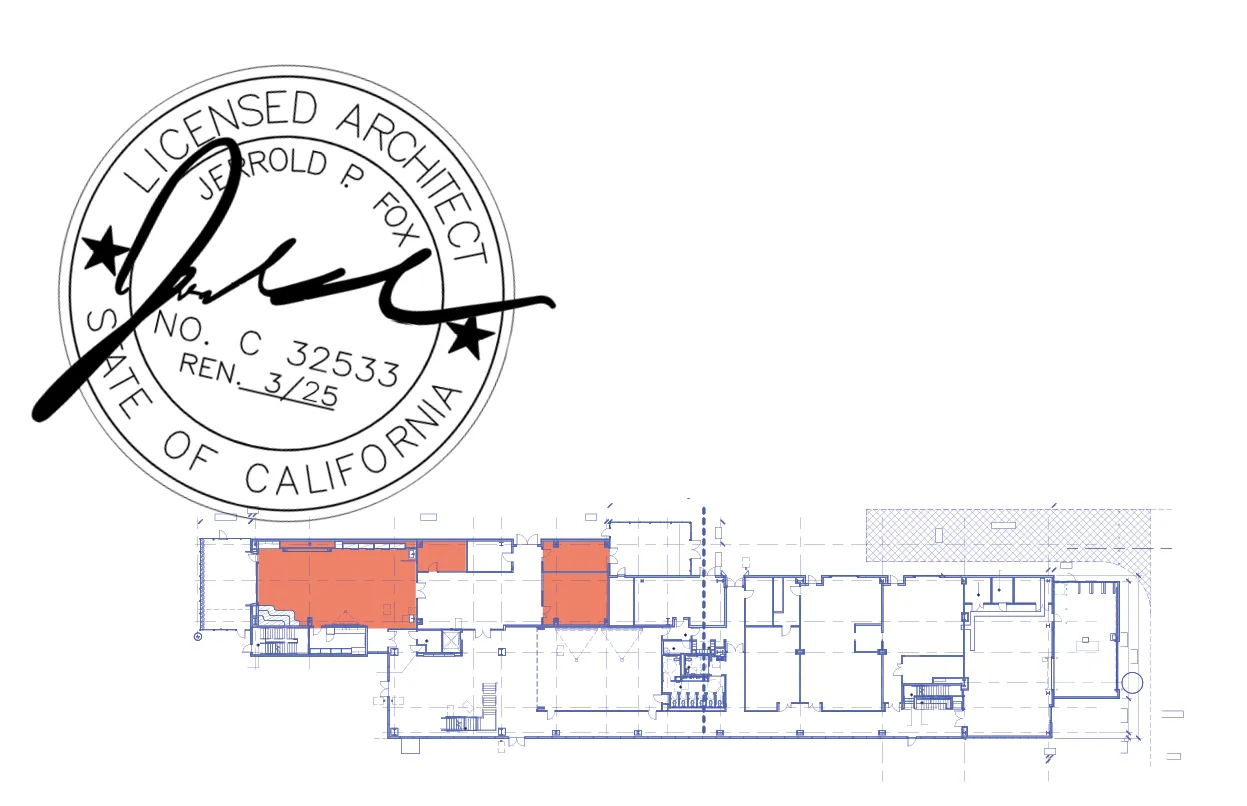
The new Autodesk Technology Engagement Center marked a massive leap forward for academic programs in CSUN’s Andrew J. Anagnost College of Engineering and Computer Science when it opened Aug. 22. The center is a nexus of innovation and exploration for K-12 and university students, focused on STEAM (science, technology, engineering, arts and mathematics) learning. The center also hosts programming for the new Global Hispanic Serving Institution (HSI) Equity Innovation Hub.
Under the leadership of Anagnost ’87 (Mechanical Engineering), Hon.D. ’24, president and CEO, design-and-make software leader Autodesk has donated more than
$7 million to CSUN for the center before construction and continues to invest in its possibilities.
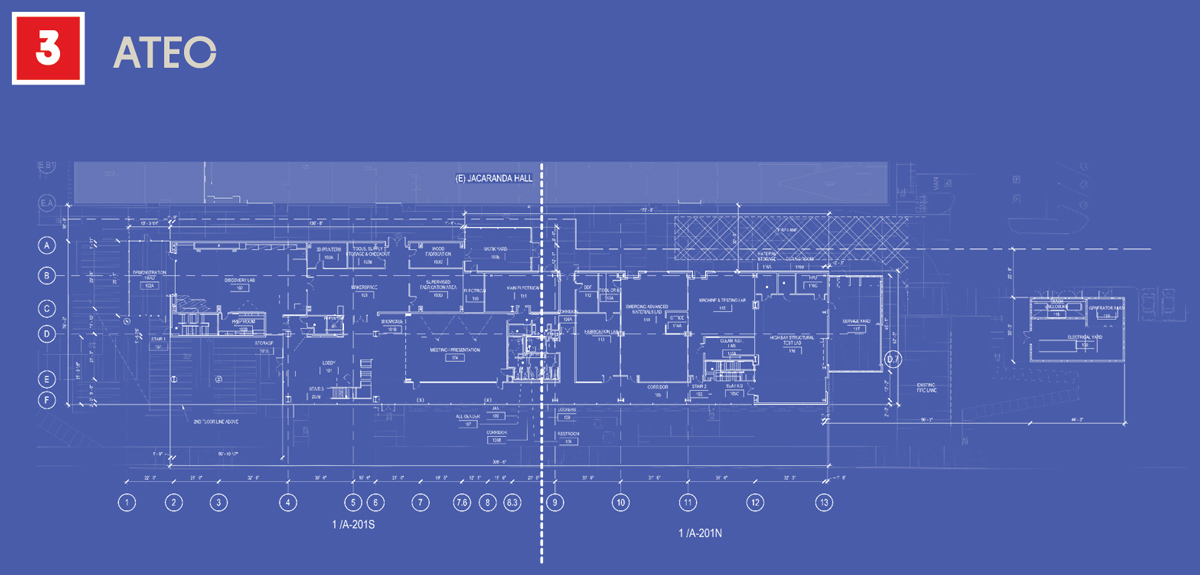
The facility features fabrication labs — including Anagnost’s favorite, a High Bay Structural Test Lab complete with an indoor bridge crane — as well as state-of-the-art research, design and digital capture labs, and a makerspace for the campus and wider community. The center also features an LED digital wall and computer labs for 3-D modeling, artificial intelligence and cybersecurity.
ATEC will introduce young minds to the joy of innovation, show them that careers in engineering and tech fields can include them, and give them the skills to become tomorrow’s problem-solvers. The center will reach students from a wide variety of backgrounds, many of whom are the first in their families to attend college. It’s a space for everyone to learn and thrive.
The center is located on Lindley Avenue next to Jacaranda Hall, just across the street from Premier America Credit Union Arena.
A $25 million state budget allocation under California Gov. Gavin Newsom was made possible with support from U.S. Sen. Alex Padilla, then-Congressman Tony Cárdenas and Congresswoman Luz Rivas (then Assemblymember), who succeeded Cárdenas in California’s 29th District. Padilla also helped secure $1 million in federal funding for equipment.
And, with significant support from Apple Inc. as part of its Racial Equity and Justice Initiative — as well as from TOLD Foundation, the 1994 Blommendahl Family Trust and alumnus Varoujan Chakarian — ATEC houses and supports programming for the Anagnost College, as well as the Global HSI Equity Innovation Hub program, which has launched initiatives in the region, statewide through the California State University system, and nationally.
To current and future Matadors, Anagnost had a message just before ATEC’s grand opening: Take advantage of what we’ve built here.
“[ATEC] is meant for the entire community of the university. It’s not meant to just be the place where the engineers figure something out,” he said. “There’s a makerspace, there are creative spaces. Come and use the place, and experiment with making something. You don’t have to be an engineering major or STEM major. You’ll be surprised what you find.”
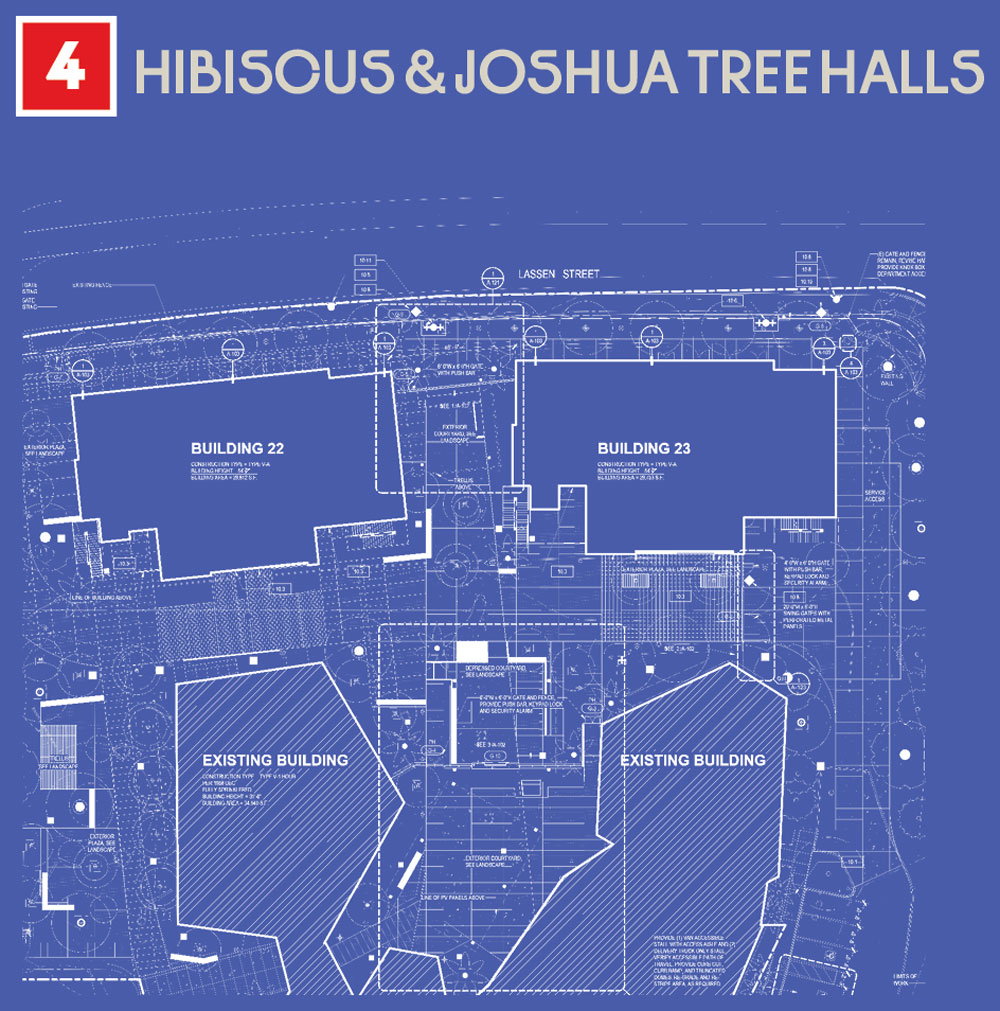
his past fall, 198 lucky students were the first to call the shiny new residence hall buildings, Hibiscus Hall and Joshua Tree Hall, their campus home. The brand-new buildings at the corner of Lassen and Zelzah — at University Park, on the north end of campus — are CSUN’s first new dorms in a decade, since the university opened three similar residence halls in 2015.
The two four-story buildings cover 60,290 square feet — including 45,000 square feet of living spaces, plus multipurpose spaces for group programs, classroom space and lounges.
The residential floors offer all doubles (two students per room), designed for first-time freshmen. One of the best features? Each bathroom is shared by just two rooms (four students per bathroom)! The residential floors also boast a living room and a laundry room. The ground floor of Joshua Tree Hall features a community kitchen, study spaces, multipurpose rooms for larger gatherings, a lounge and gender-inclusive restrooms. Students can pick up packages at the complex’s package center, located within a new student lounge in Hibiscus Hall.
Outside G’mo’s campus dining, adjacent to the new dorms, a courtyard also boasts a shaded photovoltaic canopy for those warm Valley days, oversized ceiling fans and a large, outdoor TV — perfect for hosting movie nights and watching big games.
Richard Quiroga, a senior Deaf Studies major, is vice president of the Residence Halls Association. The group represents community members and plans activities throughout the year — from movie and game nights to larger events, such as a Halloween celebration. Just before Move-In Day, Quiroga said he was looking forward to creating programs in the new areas. “The new buildings actually give us a lot more space to plan more, bigger events,” he said.
The university received a $37.5 million affordable-housing grant from the state, through the California Higher Education Student Housing Grant Program, to help fund the approximately $72.9 million project. CSUN’s new dorms marked the first approved for affordable student housing in the CSU system, and other campuses are following suit.

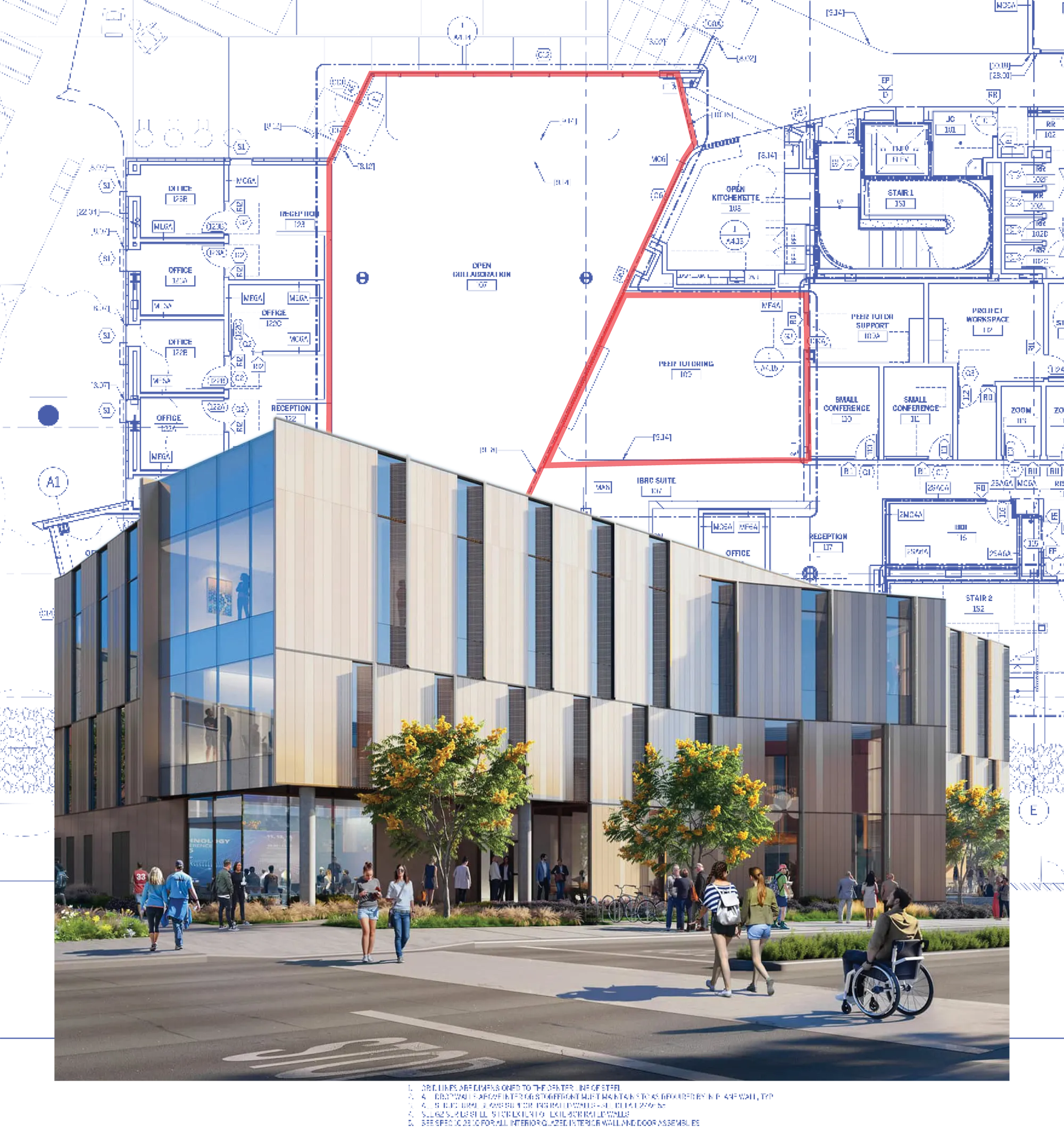
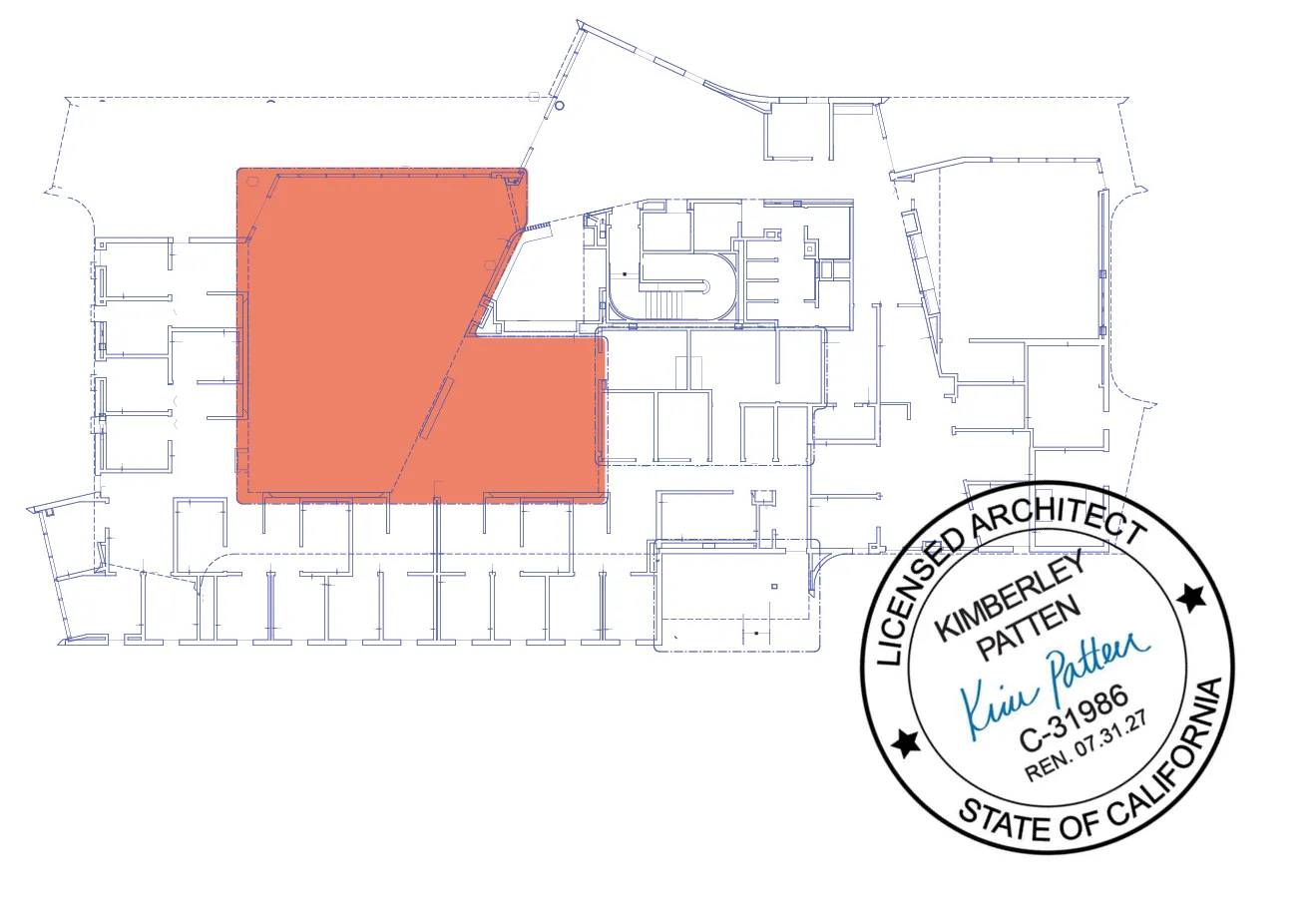
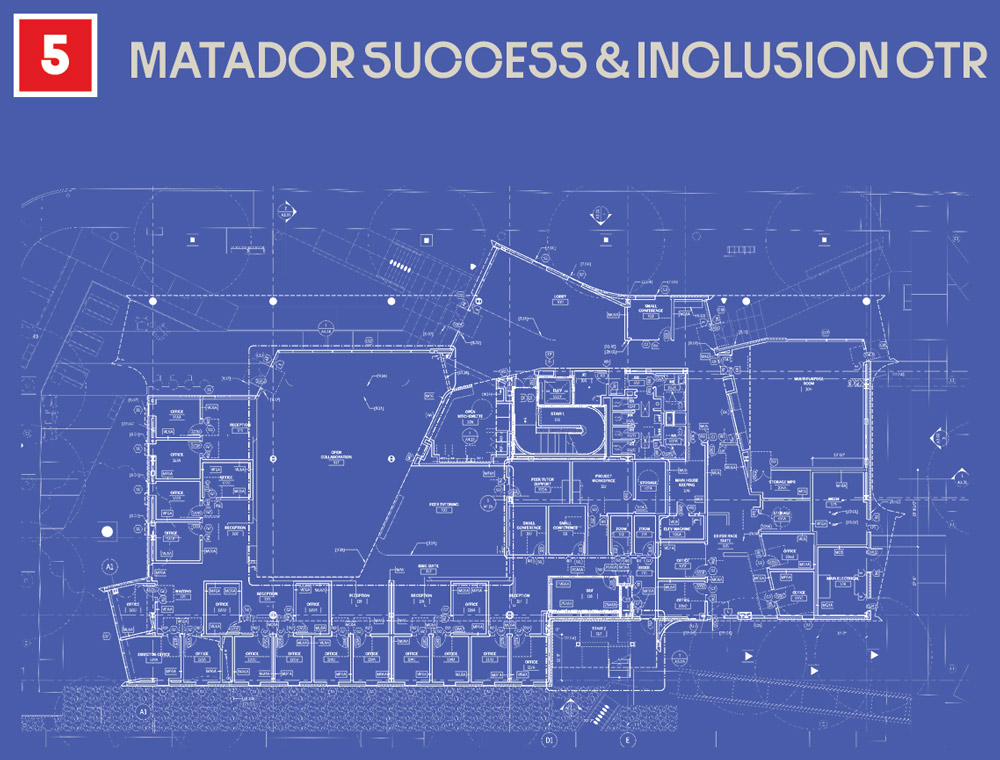
Just across Lindley Avenue from the new Autodesk Technology Engagement Center (ATEC), another new, collaborative project is rising on campus: the three-story Matador Success and Inclusion Center. At roughly 48,190 square feet, the center will house three new campus programs and establish a cohesive home for existing Athletics programs and offices that are currently spread across several different buildings. It’s slated for completion and opening during the 2027-28 school year.
The center is designed to support holistic student success by creating spaces for specific student identities and fostering collaboration among diverse groups on campus. Raising awareness and improving the diverse Matador student experience, the five Identity-Based Resource Centers will include: the Black & African Diaspora Center, Asian Pacific Islander Desi American (APIDA) Resource Center, Latinx/a/o Resource Center, American Indian Resource Center, and Southwest Asian & North African (SWANA) Center. Located on the first floor, these centers will share an open collaboration area, a peer tutoring space, small meeting rooms and support spaces. Each center will include office and meeting spaces, open workstations, and a waiting area.
The Matador Success and Inclusion Center also will house the Matador Achievement Center, which provides academic advising for student-athletes — as well as Athletics administration and coaching offices, currently spread across three campus buildings.
“The building solves one existing problem that the campus has been trying to solve for a long time,” said Ken Rosenthal, associate vice president of facilities development and operations. “This new center finally gets Athletics all into one building, a permanent home for CSUN Athletics.”
The facility also will encourage formal and informal interactions across student communities. By offering research and community engagement opportunities, the center aims to provide students with experiences they may not otherwise be able to access.
In addition to the new Identity-Based Resource Centers, the building will house the Ethnic Studies Center for Research, Activism and Community Empowerment, as well as Community & High Impact Practices (CHIP) Center. The former will support the development and sustaining of ethnic studies and cultivation of current and future generations of ethnic studies scholars.
The latter, the CHIP Center, will include CSUN’s centers for Community Engagement and Community Health and Well-being, plus a new undergraduate research center providing expanded access to research opportunities for students.
The building name, Matador Success and Inclusion Center, highlights two key campus priorities, CSUN leaders note — success and inclusion — underscoring the connection between feeling welcomed and thriving academically.
The center’s transformative potential lies not in any single program, but in how these elements work together. Students will be able to move between spaces, discovering unexpected connections between their research interests and exploring cultural identities, athletic pursuits and community engagement.