

This is CSUN
News from Northridge


This is CSUN
News from Northridge
In this edition
-
1 Annette Besnilian, executive director, and Marilyn Magaram Center colleagues empower future health professionals |
click here -
2 Bruce Yonemoto serves as Virginia A. Orndorff Artist-in-Residence |
click here -
3 Rachel Mackelprang, professor of biology, is developing safety protocols for Mars samples |
click here -
4 Student stylist James Hawkins helps Matadors find their best professional fit at Matty’s Closet |
click here -
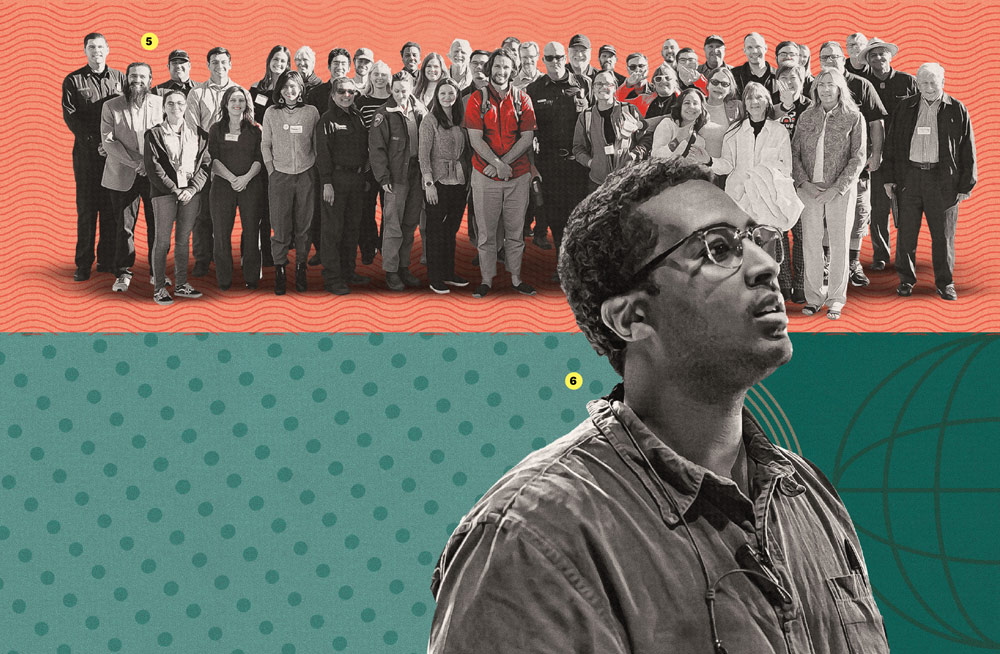
5 Institute for Sustainability convenes wildfire prevention leaders |
click here -
6 Celebrating 30 years of Golden Globe Foundation support for student filmmakers and other young artists |
click here

Advancing the Struggle
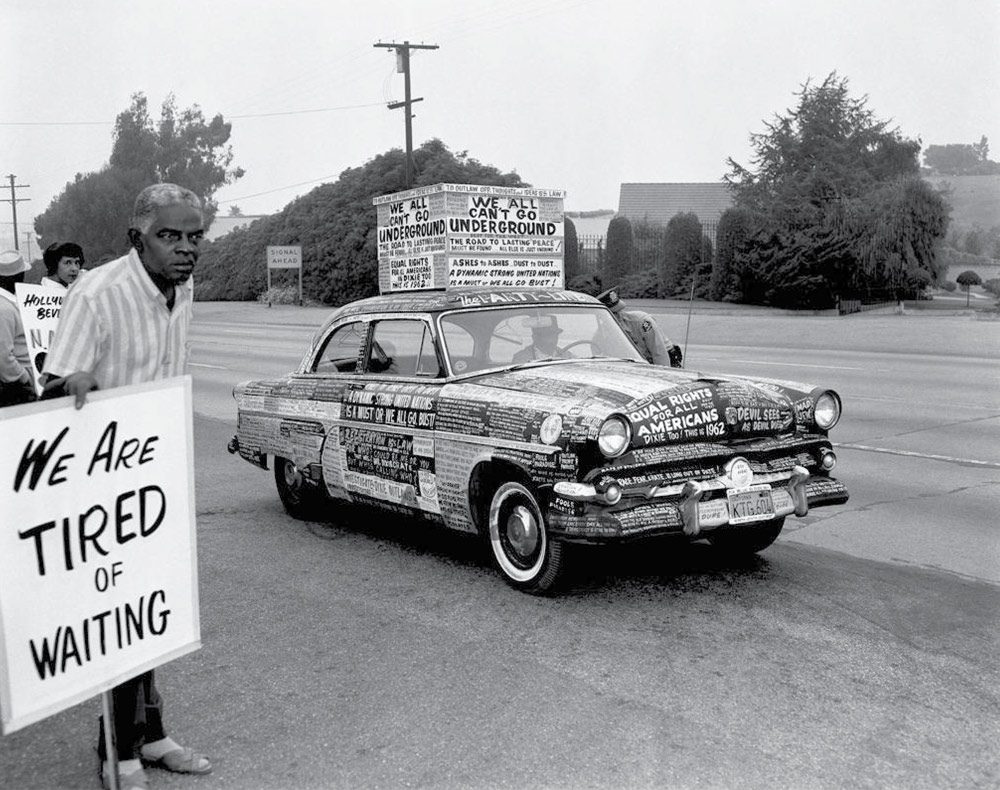
“Photography is an art form, though some people consider it the stepchild of the art world,” said journalism professor José Luis Benavides, director of the Bradley Center, housed in CSUN’s University Library. “This exhibition highlights … a period of identity exploration, celebration and the shaping of the Black image by Black artists. But it was also a very active political period, where the ideas of the Civil Rights Movement and Black Freedom Movement really were played out in the works by these photographers.”
The images on loan include photos by African American photographers Roland Charles, Howard Morehead, Calvin Hicks, Willie Middlebrook Jr. and Adams. The exhibition was originally organized by the National Gallery of Art. That exhibition featured only a handful of photographs from the Bradley Center. Mazie Harris, associate curator in the Department of Photographs for the Getty, chose to add more images from the Bradley Center to feature more L.A.- and California-based photographers.
Safe Samples
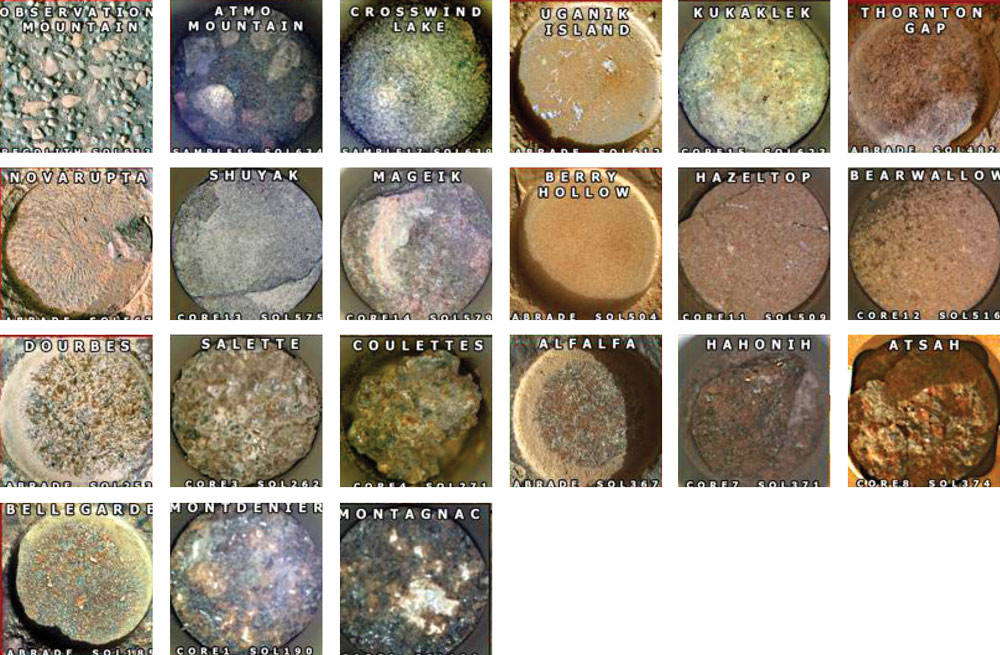
The goal is to ensure that the samples of rock, soil and dust do not contain Martian microbial life that could jeopardize life on Earth. If life is found in returned samples, they would need to remain in a high-containment facility or be sterilized. The first of four articles outlining the team’s recommended protocols, “The Abiotic Background as a Central Component of a Sample Safety Assessment Protocol for Sample Return,” was published earlier this year in the journal Astrobiology.
Mackelprang, who runs a research lab and teaches in the College of Science and Mathematics, said the first article focuses on establishing an “abiotic baseline.” “We don’t expect there to be modern extant life in returned samples because the environment on the Martian surface is not conducive to the survival of life,” she said. “However, we need to verify that there isn’t life in those samples, in part because they could potentially pose a hazard to the Earth’s biosphere.”
Most people don’t realize that the Earth is microbial, Mackelprang said. “Microbes exist in every environment,” she said. “They power geochemical cycles. For example, when plants die or anything dies, microbes degrade and recycle the remains, returning the components to the environment. So, the idea of an invasive species from Mars is something, even though it’s a low probability, that we should take seriously.”
Though it could be a decade or more before the Mars samples are brought to Earth, Mackelprang said it’s important to develop plans for safety now, to ensure that when samples finally arrive, procedures are in place.
Scott Invests $63 Million in CSUN
Scott’s decision to significantly increase her investment in CSUN reflects growing confidence in the university’s sustained commitment to educational equity and student success. Her generosity came as part of a historic round of giving to institutions nationwide, including transformational investments in Historically Black Colleges and Universities (HBCUs) and universities focused on serving their communities.
“We are deeply honored by MacKenzie Scott’s continued and increased confidence in our work,” said CSUN President Erika D. Beck. “This extraordinary support enables us to strengthen the systems and resources that help our students thrive. Our outcomes demonstrate what’s possible when you combine rigorous academic programs with comprehensive support that ensures all students have the opportunity to succeed. This gift recognizes what our faculty, staff and students accomplish together every day — opening doors, building futures and proving that educational excellence and access are not competing values but complementary commitments.”
CSUN Numbers





On the Front Lines
“Wildfire resilience isn’t just about response, it’s mostly about communication and building community,” Steinberg said. “[The summit] brought people together who work on the front lines of wildfire resilience to share their expertise, knowledge and what works and doesn’t work.”
The event involved major support from institute staff and others at CSUN including the College of Social and Behavioral Sciences, led by Dean Yan Searcy, Steinberg noted.
Ventura County Fire Department Director of Communications and Public Affairs Scott Thomsen collaborated with Steinberg on the event. There were several objectives, including sharing success stories and ways to reproduce those programs, he said.
“[Another] goal was to identify some of the challenges that are still out there for everyone working in this space and try and identify ideas for how we can make improvements,” Thomsen said. “[Plus] networking and relationship building among this group of thought leaders — so they have the connections necessary to address some of those challenges.”
More than 80 people participated in the summit — including representatives from county and state firefighting agencies, as well as nonprofits that deal with wildfire resistance, mitigation and recovery efforts. Congressman George Whitesides, who represents the Santa Clarita and San Fernando Valleys, was also on hand to welcome attendees and share updates.
Supporting Young Artists

“The Golden Globe Foundation has been a tremendous partner for the Mike Curb College at CSUN in supporting young filmmakers and journalists to realize their goal of making an impact,” said Dan Hosken, dean of the Mike Curb College. “Media and entertainment need the voices of our students now more than ever, and the support from the Golden Globe Foundation is helping to make that a reality.”
The foundation has provided opportunities including scholarships, funding for senior film productions and upgrades to production equipment that help students learn on industry-standard equipment. CSUN’s cinema and television arts and journalism programs align with the foundation’s mission to support students from underrepresented communities in the worlds of film and journalism.
“The Golden Globe Foundation has long supported education in the arts and journalism to give access for students who could not otherwise find roles in those industries,” said Gregory Goeckner, CEO of the Golden Globe Foundation, who joined the CSUN Foundation Board of Directors in 2025. “CSUN’s film and television and journalism programs have been a key part of our philanthropy program for almost 30 years and are looked on as cornerstones of our program. We are delighted to see each year the award-winning films and journalism produced by students in those programs and to follow the careers of their many successful graduates.”
As part of the Golden Globe Fellows program, thousands of dollars go toward senior film projects, which teach students to navigate the entire filmmaking process.
Service Learning

“Community engagement is central to who we are as an institution,” said CSUN President Erika D. Beck. “This well-earned classification is a testament to the tremendous leadership of our faculty, in collaboration with staff and the Office of Community Engagement, in fostering impactful community partnerships that improve lives, strengthen communities and offer students hands-on, real-world service-learning experiences.”
Timothy F.C. Knowles, president of the Carnegie Foundation, noted that higher education “is a vital economic engine” for the country.
CSUN’s Office of Community Engagement supports the university’s mission to cultivate civic responsibility among students, faculty and staff by facilitating community-based service-learning classes, promoting co-curricular engagement activities, implementing community-based research, and fostering equitable, reciprocal and sustainable community partnerships and projects within the San Fernando Valley, the greater Los Angeles area and beyond.
Hundreds of classes, centers and institutes across the university have incorporated community engagement into their curriculum and projects. For example, students — regardless of major — provide free tax assistance to low-income taxpayers in L.A. County through CSUN’s Volunteer Income Tax Assistance (VITA) program.
Giving Day Sets Record
Over 36 hours on March 4-5, the Matador community came together to rally around what makes CSUN extraordinary. The community celebrated the power of participation, Matador pride and demonstrated how

During this campaign of generosity, participants helped spread the word about their favorite university department, program or cause. Special giving challenges also helped philanthropic support go even further, from scholarships to athletics and student success programs. To learn more, visit givingday.csun.edu.

CSUN Launches Black-Serving Institution Era
To qualify as a Black-Serving Institution, a college or university must demonstrate academic and equity goals, and resources to improve retention, time-to-degree and graduation rates for Black and African American students. Qualifying institutions must have at least 10% of the student population that identifies as Black or African American — or at least 1,500 Black and African American students enrolled. California’s new BSI program was created by Senate Bill 1348, which was signed by Gov. Gavin Newsom and went into effect last year.
CSUN’s Black and African American student population is nearly 2,000 students. Existing campus initiatives aimed at fostering and supporting Black and African American scholarship include Black Matadors Rise, Black Scholars Matter, the Black House, and the landmark Africana Studies program, one of the oldest and largest departments of its kind in the nation, within the College of Social and Behavioral Sciences.
Yonemoto Named Orndorff Artist-in-Residence

Yonemoto’s residency at CSUN began in January and ran through the end of the spring semester. “I am really impressed by how big and diverse the program is at CSUN,” Yonemoto said. “It’s really impressive what they are doing. I am really excited to work with the different programs in the art department. There is a lot of talent in the department, and I hope that they can learn from me and my experiences.”
The Orndorff Artist-in-Residence program debuted last year and was established to inspire and enhance opportunities for students. It was created by Chris Orndorff in honor of his wife, a 2000 CSUN graduate who had a passion for the visual arts. Virginia Orndorff worked more than 15 years in the marketing department of a bank before launching a career as a photographic artist.
Empowering Health
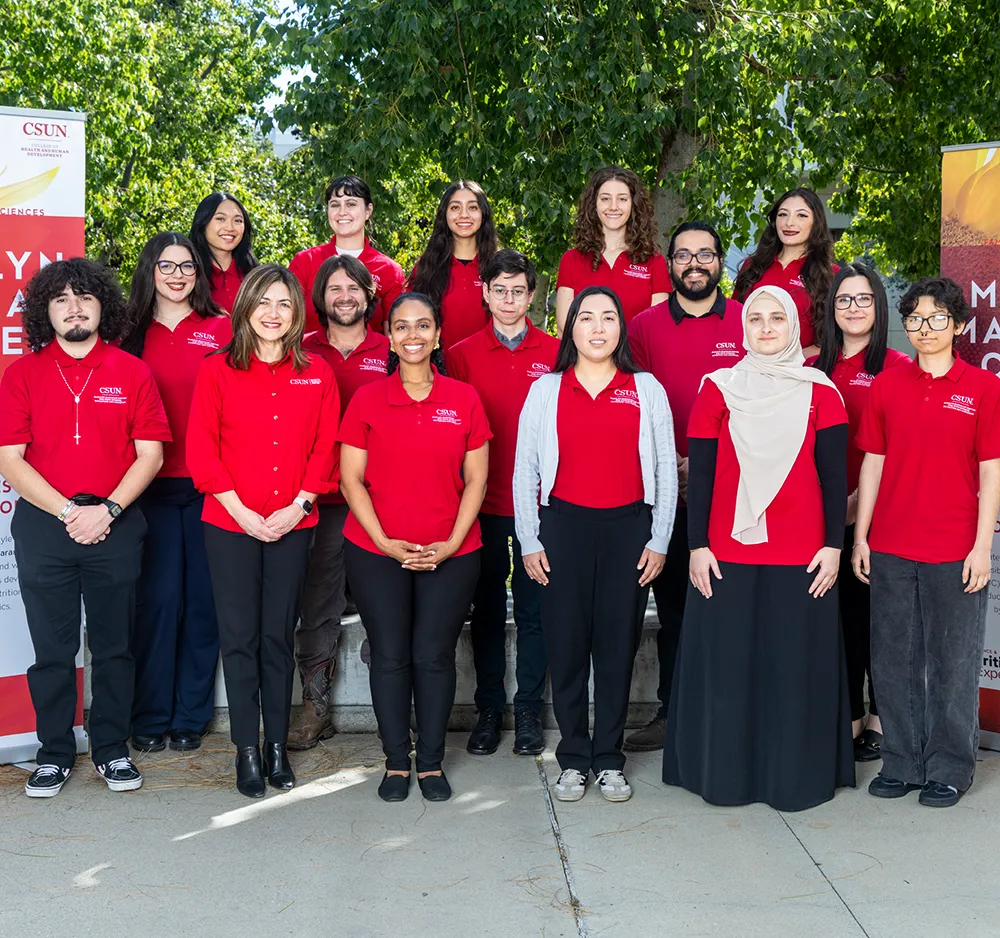
The initiative aims to recruit, educate and empower future food, nutrition and health professionals to positively impact the health and well-being of their communities.
“A major public health concern is the rise in chronic disease,” said family and consumer sciences professor Annette Besnilian, executive director of CSUN’s Marilyn Magaram Center for Food Science, Nutrition and Dietetics, who is one of the leads of the project. “With the increase in chronic disease rates in our community, there is a need to train our next generation of food, nutrition and health professionals to meet the needs of our community.”
Educators at CSUN and Mission College are reaching out to thousands of local high school and community college students to teach them about potential careers in food and nutrition. Collaborative Pathways is also training 40 CSUN nutrition and dietetics graduate students to serve as peer mentors, as well as 10 faculty and staff mentors to support undergraduate and graduate student fellows.
Collaborative Pathways Fellows who complete at least a Bachelor of Science in CSUN’s Nutrition, Dietetics and Food Science Program, housed in the College of Health and Human Development, will have the qualifications to apply for at least four occupations deemed “mission critical” by the USDA’s Office of Human Capital Management: dietitian and nutrition specialists, consumer safety specialists, consumer safety inspectors and food inspection specialists.

Who We Heard

Actress Victoria Justice
Malia Cohen

Cedric the Entertainer